How To Create An Eco Friendly Lawn
Having a beautiful, lush lawn for your kids to play in and your neighbours admire is one of the first priorities for a homeowner. But, that doesnt mean you need to use nasty chemicals to keep the full, fresh look. In fact, many eco friendly lawns are just as green, and they have much less impact on the environment. Heres all the information you need to create an eco friendly lawn of your own.
The Benefits Of An Eco Lawn
Though it may seem obvious, chemicals are efficient for lawn care use, but theyre also very damaging to the earth, including the soil, water and animal life. A thick grass covering is necessary, though, to prevent run off and soil erosion, and it eliminates air pollutants. Plus plants, like grass, make clean fresh air.
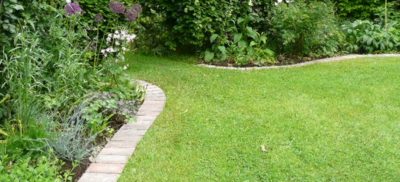
From The Ground Up
Soil with a healthy pH, a balance of nutrients and plenty of aeration is good, productive soil. Every type of soil has room for improvement, including sand and clay types. Compost, grass clippings and other organic material can loosen clay, moisturize sand and improve the nutrient balance of all soils. For very dense soil, use an aerator machine to break it up.
Slightly acidic soil is best, so check that the pH is between 6 and 6.5, so it can absorb nutrients. Adding sulphur or dolomite can fix overly alkaline or acidic soils, respectively.
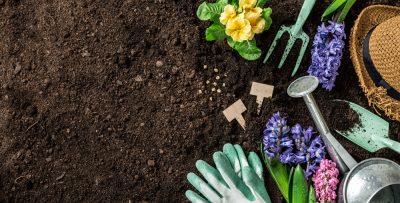
Climate-Specific Grass
Different types of grass are suited for different climates, obviously. In dry, desert areas a hardy, drought resistant grass is necessary. As your local supplies for advice on which type of grass is recommended for your location.
Mowing The Lawn
Short lawns may mean mowing less often, but too short can actually damage the area. Aim to keep the grass between seven and nine centimetres in length. This slightly bushier lawn will absorb light better, have deeper roots and resist insects and drought more effectively than shorter blades of grass. This means mowing more often, but the grass clippings will help fertilise the lawn for long-term beauty.
Watering The Lawn
The lawn probably needs less water than you think if done properly. Water only when it truly needs it, for an extended period of time. This results in excellent hydration, deep roots and bright colour. Only re-water when footprints remain compressed for a few seconds.
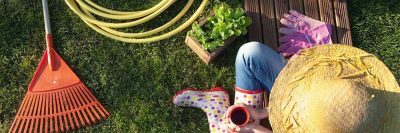
How To Use Pest Control
Nature always finds a way, so you may need some form of pest control. Skip the chemicals in fungicides and pesticides and opt for a professional with eco-friendly solutions. When doing it yourself, use the materials sparingly, spot treat and always wear protective gear.
Using Fertiliser
In order to have the greenest lawn, youll need to use some fertiliser. Organic options are best, including dynamic lifter, manure and blood and bone. Chemical methods may not smell as bad, but theyre damaging and dangerous, while organic fertiliser is only beneficial.